
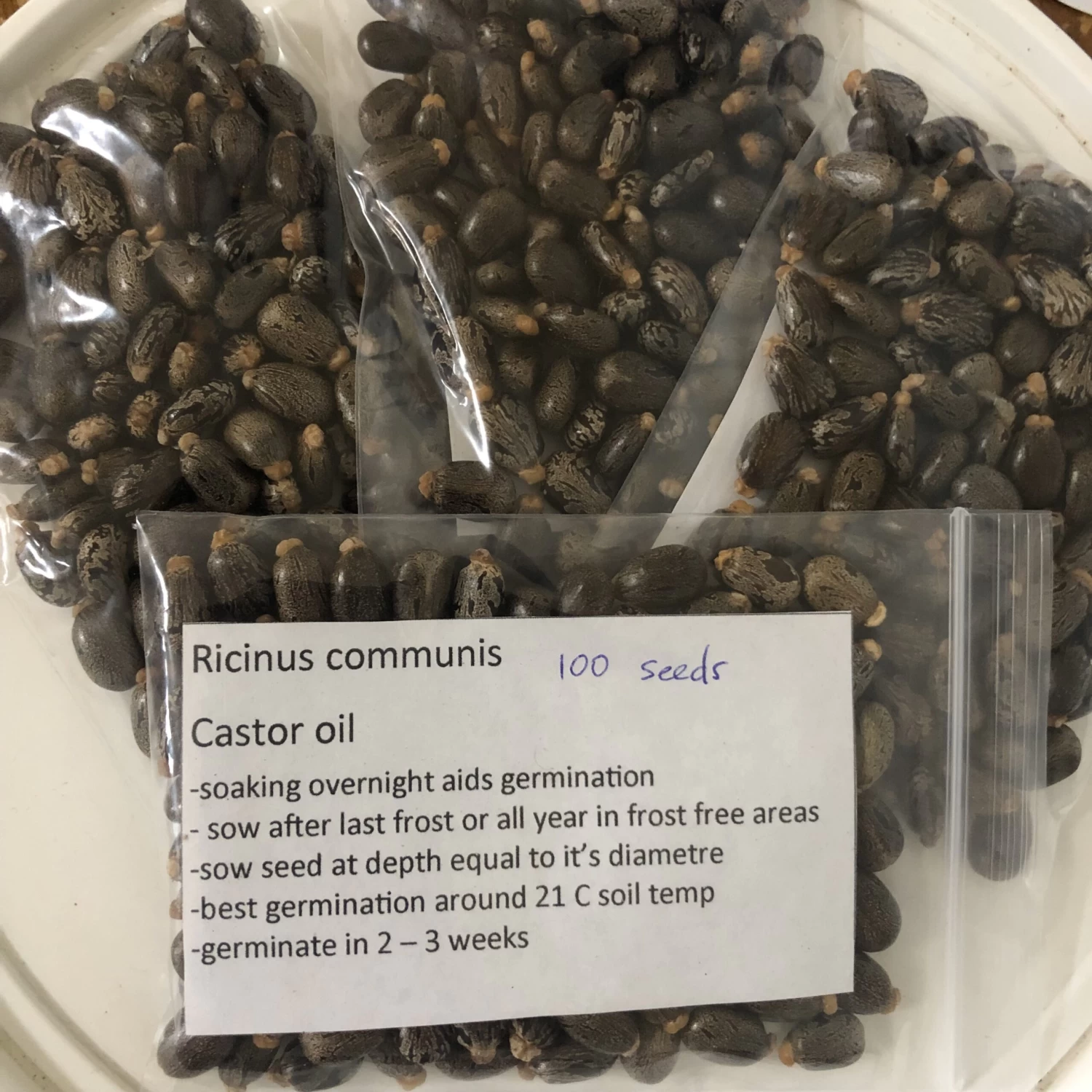

Other Castor Oil Seed Ricinus Communis Seeds
Original price was: £13.00.£9.10Current price is: £9.10.
- Product guarantee 100% satisfaction
- Shop with Confidence
- Guaranteed High Quality
- Experience the difference quality makes.

Botanical name: Ricinus communis
Common name: Castor oil plant
100 seeds – $13.00
Locally harvested in Queensland.
Please note: Express Post delivery is not necessarily quicker because I am regionally based. Standard plus tracking is your best option for tracked postage (and much cheaper)
Ricinus communis, castor oil plant, is a perennial flowering shrub native to the tropical regions of Africa. It belongs to the spurge family.
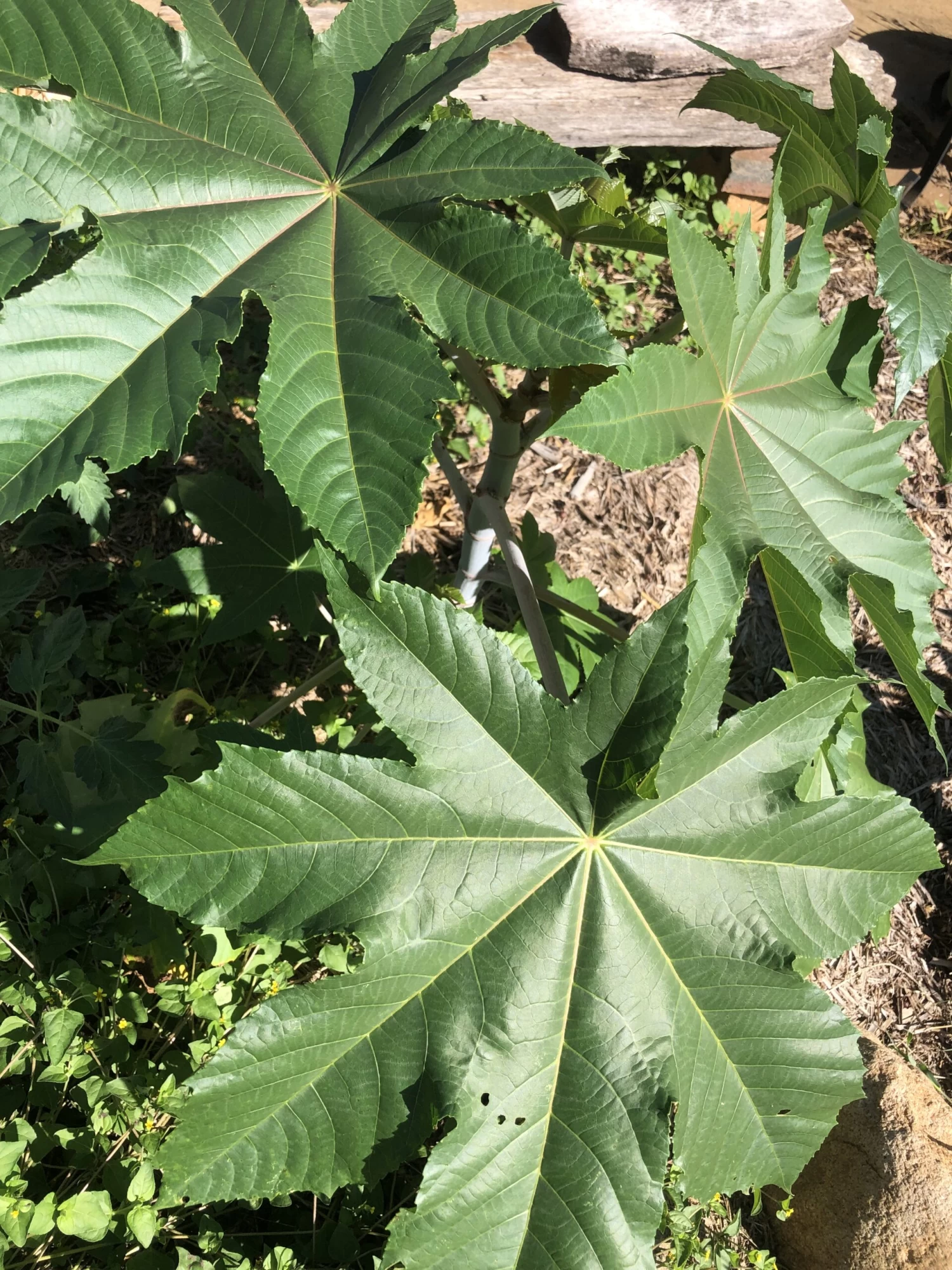
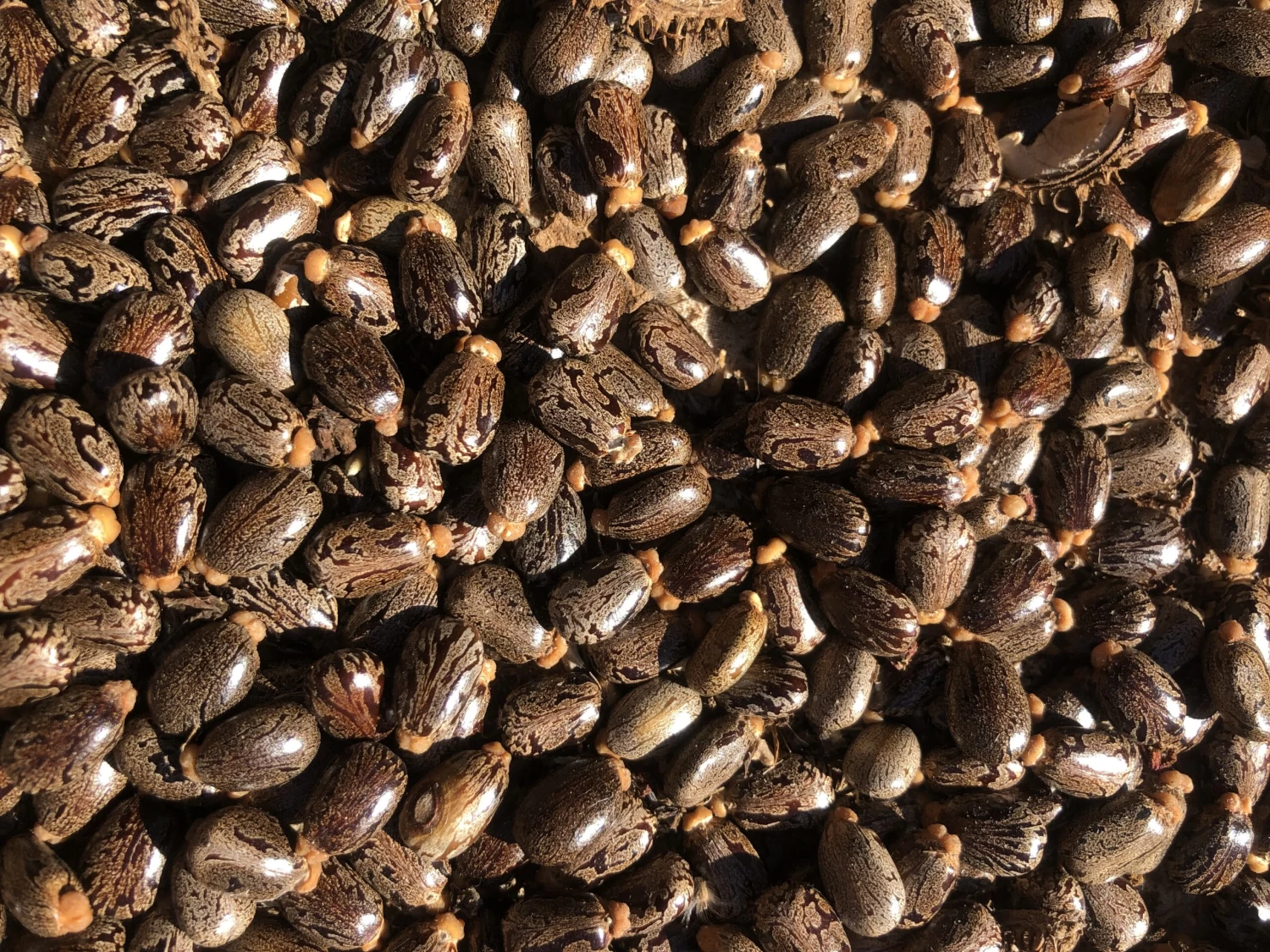
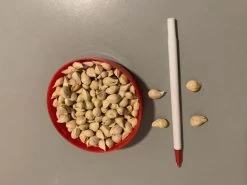
The castor oil plant is a large, fast-growing shrub or small tree that can reach up to 12 metres in height. It has large, shiny leaves that are usually green or red, and small, greenish-yellow flowers that bloom in clusters. The plant produces spiky seed pods, which contain large, shiny, bean-shaped seeds.
The cultivation of the castor oil plant is relatively easy, as it is a hardy and drought-resistant plant that can grow in a variety of soil types, including poor soils. However, the plant requires warm temperatures and plenty of sunlight to thrive, and it cannot tolerate frost or cold temperatures.
Ricinus communis is a fast-growing emergent, and an excellent pioneer plant that is valuable in the early stages of soil rehabilitation and agroforestry.
It is important to note that the plant contains toxic compounds, including ricin, which can be dangerous if ingested or inhaled. Therefore, appropriate safety precautions should be taken when handling the castor oil plant or its seeds.
Growing notes for Ricinus communis, castor oil plant:
- Ricinus communis can tolerate a wide range of soil types, including loamy, sandy, and clayey soils.
-
Sow after last frost, spring or summer, and early autumn in frost free areas.
-
20-30°C soil temp for germination.
-
1-3 weeks to germinate.
- Keep soil moist while establishing
-
Ricinus communis prefers full sun to partial shade.
- It is important to handle Ricinus communis seeds with caution, as they contain toxic compounds that can cause skin irritation and other adverse effects if ingested.
Note: It’s always recommended to consult local gardening guidelines and follow appropriate planting and care practices for your specific region.
Be the first to review “Other Castor Oil Seed Ricinus Communis Seeds”
Related products

Other
Other
Other
Reviews
There are no reviews yet.